

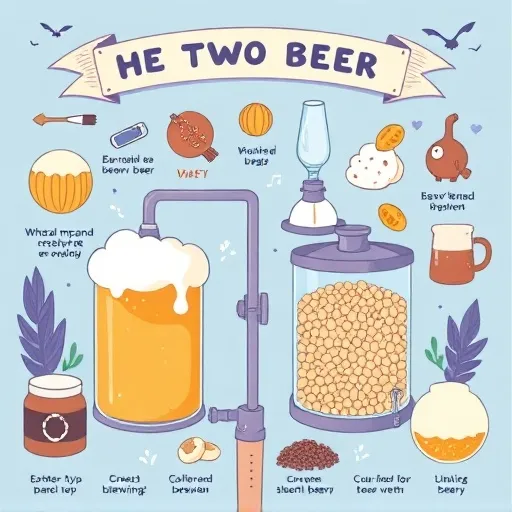
Two main homebrewing
The Two Paths: Extract Brewing vs. All-Grain Brewing
Before you start shopping for gear, you've gotta wrap your head around one big fork in the road. When you're figuring out what equipment do I need to brew beer, the answer really depends on which brewing path you pick. Home brewing splits into two main approaches — extract brewing and all-grain brewing — and your equipment list shifts quite a bit depending on which one you go with. So let's break down both routes before we get into the actual gear.
Extract Brewing: The Beginner-Friendly Route With a Small Equipment Footprint
Extract brewing is the easy on-ramp. Instead of mashing malted barley yourself, you grab malt extract — a concentrated syrup or powder packed with the fermentable sugars your yeast will chow down on. You steep a small handful of specialty grains for flavor, stir in the extract, boil with hops, cool the wort, and let it ferment. The gear stays compact, the learning curve is gentle, and you can brew right on a standard kitchen stove indoors. If you're wondering what equipment do I need to brew beer as a total newbie, this is the answer that won't overwhelm you.
All-Grain Brewing: Full Traditional Control Over Flavor and Body
All-grain is the full traditional ride. You crush malted barley, mash it with hot water so enzymes convert starches into fermentable sugars, then lauter and sparge to rinse the grain bed, and finally boil the wort with hops. This path hands you total control over flavor and body, but it demands more equipment and more space. Plenty of brewers kick things off with extract, then graduate to all-grain once they've got a few batches under their belt — and once they know exactly what equipment do I need to brew beer at the next level.
Down below, I'll hit the universal essentials first, then layer in the extras for each path so you can build your own brewing equipment checklist.
The Absolute Essentials: Core Brewing Equipment Every Homebrewer Needs
No matter which route you take, these foundational items show up on every answer to what equipment do I need to brew beer. Think of this as your baseline brewing equipment checklist.
1. A Brewing Kettle. Your kettle is the heart of your brew day. For extract brewing, a 5-gallon kettle usually handles a standard 5-gallon batch, though lots of brewers size up to 8 or 10 gallons to dodge boil-overs and leave room for future all-grain brewing. Grab a stainless steel kettle with a sturdy handle and, ideally, a built-in thermometer and ball valve. A quality kettle is a long-term investment you won't outgrow quickly.
2. A Fermenter. After the boil, your wort needs a home to ferment. Fermenters come as food-grade plastic buckets, glass carboys, PET carboys, or stainless steel conical fermenters. Beginners love a 6.5-gallon plastic bucket with a lid and airlock — affordable, easy to clean, gets the job done. Later on, you might upgrade to a conical fermenter with temperature control.
3. An Airlock and Stopper. This tiny, cheap piece lets carbon dioxide escape during fermentation while keeping oxygen and airborne contaminants out. It's basically a one-way valve for your fermenter. Buy a few — they're cheap and easy to lose.
4. A Bottling Bucket with Spigot. Once fermentation wraps up, you'll move your beer into bottles or a keg. A dedicated bottling bucket with a spigot makes this way easier and helps you avoid oxidation. Grab a bottling wand too — a spring-loaded tube that fills bottles from the bottom up.
5. Sanitizer. I can't say this loud enough: sanitation is the single most important factor in making good beer. You need a no-rinse sanitizer made for brewing. Clean with a dedicated cleaner, then sanitize everything touching your wort or beer after the boil. A dirty fermenter or unsanitized bottle can wreck an otherwise perfect batch.
6. A Hydrometer or Refractometer. These measure the density of your wort and beer, telling you how much sugar is present and, later, your alcohol content. A hydrometer is the classic pick; a refractometer is faster and needs just a few drops. Either one is essential for tracking your brew's progress — and honestly, this is the tool most beginners forget when they ask what equipment do I need to brew beer.
7. Thermometer. Temperature control matters at every stage — from mashing to pitching yeast and fermenting. A good instant-read thermometer is a must. Many kettles include built-in thermometers, but a separate digital probe thermometer is more accurate and versatile.
8. Cleaning Brushes and a Carboy Brush. Fermenters and carboys have narrow openings and curved surfaces that are brutal to clean by hand. A long-handled carboy brush plus a smaller bottle brush will save you serious frustration.
Extract Brewing Equipment: The Minimal Add-Ons for Your First Batches
Going the extract brewing route? Your extra equipment needs stay modest — which is exactly why so many folks start here when they ask what equipment do I need to brew beer:
- A large stirring spoon — long-handled stainless or food-grade plastic for stirring your wort.
- A mesh strainer or hop bag — for steeping specialty grains and containing hop pellets.
- An immersion wort chiller (optional but recommended) — a copper coil running cold water through hot wort to cool it fast. Quicker cooling cuts contamination risk and boosts clarity.
- Bottles and caps — roughly 50–55 standard 12-ounce bottles for a 5-gallon batch, plus a capper and caps. Collect them from friends or buy new.
All-Grain Brewing Equipment: The Additional Gear You'll Need to Level Up
Going all-grain means adding a few more pieces to your brewing equipment collection. Here's what you need beyond the essentials — this is the expanded answer to what equipment do I need to brew beer once you're serious.
1. A Mash Tun. An insulated vessel where you mix crushed grains with hot water and hold temperature for an hour or so while enzymes convert starches into sugars. Many brewers build one from a converted cooler with a false bottom or braided stainless hose. Temperature stability is the key feature.
2. A Hot Liquor Tank (HLT). "Liquor" is brewing jargon for water. You need a separate vessel to heat strike water and sparge water. Some use a second kettle; others use a dedicated electric heating vessel. In a multi-vessel system, this is core.
3. A Grain Mill. You can buy pre-crushed grain, but many all-grain brewers invest in their own mill to control the crush and keep grain fresh longer. A decent two-roller mill lasts for years.
4. A Lauter Tun or False Bottom. This separates the grain bed from the liquid so you can drain wort while leaving grain behind. If your mash tun has a built-in false bottom, you're set.
5. A Sparge Arm or Sparge Kettle. Sparging rinses the grain bed with hot water to extract remaining sugars. A simple sparge arm or dedicated sparge kettle helps you do it evenly.
6. A Larger Kettle or Boil Kettle. All-grain brewing usually means a full-volume boil, so you want a kettle holding 8–10 gallons to fit a 5-gallon batch without boil-overs.
7. A Brew Stand or Burner. All-grain batches are heavy and hot. A sturdy brew stand — or at least a reliable propane burner for outdoor brewing — makes things safer and more comfortable. A turkey fryer burner is an affordable entry point.
8. A Fermentation Chamber. Temperature control during fermentation is critical for flavor. A dedicated fermentation chamber — often a converted fridge or temp-controlled cabinet — holds your fermenter steady. Optional but highly recommended as you chase consistency.
Nice-to-Have Equipment That Makes Brewing Easier and More Consistent
Once the basics are handled, these upgrades boost efficiency and the overall experience — and they're the fun part of what equipment do I need to brew beer once you catch the bug:
- An auto-siphon — makes transferring beer from fermenter to bottling bucket effortless and cuts oxidation.
- A wort oxygenator — injects oxygen into cooled wort before pitching yeast, helping fermentation start strong.
- A yeast starter kit — for propagating healthy yeast populations before brew day.
- A kegging system — if bottling wears you down, a corny keg setup with a CO2 tank and regulator is a game-changer.
- A pH meter — handy for all-grain brewers fine-tuning mash chemistry.
- A brew journal or brewing software — tracking recipes, gravity readings, and tasting notes helps you improve batch after batch.
How Much Does All This Brewing Equipment Cost?
One of the best things about home brewing is you can start small. A basic extract brewing starter kit — kettle, fermenter, airlock, bottling bucket, sanitizer, and hydrometer — typically runs $100 to $200. From there, add equipment gradually as your interest grows.
All-grain setups cost more, often starting around $300 to $500 for a basic multi-vessel system and climbing from there. The good news? Most brewing equipment is durable and modular — you can upgrade piece by piece without replacing everything at once. That's the beauty of learning what equipment do I need to brew beer in stages.
Space and Storage Considerations Before You Buy Any Equipment
Before buying anything, think about where you'll brew and where you'll store your equipment. A 5-gallon batch of beer takes up real space, and fermenters need a spot with stable temperatures away from direct sunlight. Brewing indoors? Make sure your stove handles a full boil — some struggle with 5-gallon batches. Outdoors, a propane burner gives more power and flexibility.
Storage matters too. Kettles, fermenters, and bottling buckets are bulky. A dedicated shelf in a garage, basement, or utility room makes life easier. Plan for cleaning supplies and sanitizer storage as well.
Sanitation: The Invisible Equipment That Makes or Breaks Your Beer
Worth repeating because it's that important: the best brewing equipment in the world won't save a batch from poor sanitation. Every piece touching your wort after the boil — fermenters, airlocks, siphons, bottling wands, bottles — must be thoroughly cleaned and sanitized. Budget for a quality no-rinse sanitizer and dedicated cleaner, and make cleaning part of your brew-day routine. This is the invisible equipment that separates good brewers from frustrated ones — and it's the one item on your what equipment do I need to brew beer list you can never skip.
Building Your Brewing Equipment List Step by Step
Here's a practical way to think about assembling your gear:
- Step 1: Start with a starter kit. Buy a reputable extract brewing starter kit with the core essentials. You're brewing immediately without over-investing.
- Step 2: Add a wort chiller and a better thermometer. Two upgrades that improve beer quality and smooth out brew day.
- Step 3: Upgrade your fermenter. A stainless or PET carboy with a spigot makes transfers and cleaning simpler.
- Step 4: Move to all-grain when ready. Add a mash tun, HLT, and larger kettle. Keep your extract gear as backup for small experimental batches.
- Step 5: Invest in fermentation temperature control. The single biggest upgrade for consistency and flavor quality.
So, what equipment do I need to brew beer? Honestly: less than you think to start, and more than you expect once you fall in love with the hobby. The core essentials — a kettle, fermenter, airlock, bottling bucket, sanitizer, and hydrometer — get you brewing your first batch this weekend. From there, expand into all-grain brewing, temperature-controlled fermentation, and kegging as your skills grow. The home brewing community in 2026 is vibrant and welcoming, with forums and local clubs ready to help — so gather your equipment, sanitize thoroughly, and enjoy the process. Your first pint of homemade beer, brewed with your own hands and your own gear, will taste like nothing else.